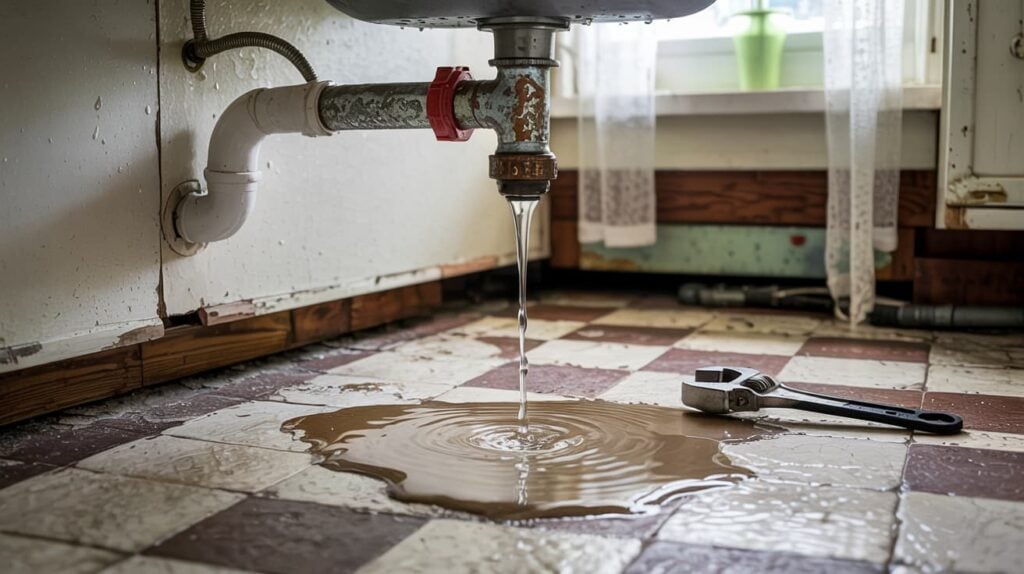
Water leaks catch you off guard and create chaos in your home. You step into a mysterious puddle in your living room and wonder, “Where did that come from?” (I’ve been there — my fridge secretly turned the kitchen into a shallow swimming pool.) In sunny Gold Coast, even the smallest hidden leak floods your space and sends your water bill soaring if you don’t act fast.
The good news? You can play detective and handyman at once.
We’ll walk through the telltale signs of water leaks, quick tests to pinpoint them, easy repairs you can try, and when to call in a pro. By the end, you’ll know exactly how to spot and repair water leaks fast – saving water, cash, and that nice polished floor of yours.
Drip, drip, drip… it sounds almost poetic, but each drop from that tap is a coin escaping from your wallet. On the Gold Coast, water’s precious and bills can climb quick. In fact, even a slow faucet drip can waste around 12,000 litres a year. That’s like watering your lawn twice a week and then some! When you see (or hear) that drip, don’t ignore it – it’s often an easy fix, like swapping out a worn washer, and every minute counts in water leak repair.
Why You Can’t Ignore a Leak
Leaks are more than annoying; they’re expensive and destructive. Unchecked leaks can lead to mould, rotten floorboards, and a home that practically fills itself (yikes!). Plus, your wallet feels it: City of Gold Coast warns that hidden leaks can show up as an unexpected spike in your water meter. For example, a silently leaking tap or toilet often doesn’t scream “fix me!” until the bill arrives – by then you’ve wasted thousands of litres of water. Over time, ignoring leaks can even hurt your property’s value.
Every dribble of water means money down the drain. By acting fast, you stop the damage and keep your water costs down. Now, let’s look at how to spot those sneaky leaks before they turn your home into a water park.
Spotting Signs of a Water Leak
Early detection is key. Look (and listen) for these clues around your home:
- Skyrocketing water bill. If your next water bill is suddenly through the roof for no obvious reason, you likely have a hidden leak. (Even the City of Gold Coast advises tracking meter readings regularly to catch unusual usage.)
- Sounds of dripping or hissing. A constant drip, drip, drip or a faint hissing in the walls or under sinks is a neon sign pointing to a leak.
- Damp patches and stains. Brown spots on ceilings or walls, peeling paint, or warped floorboards often mean water has been sneaking out. A musty odour is also a tip-off that moisture is lingering.
- Wet or soft spots outdoors. Green, soggy patches in your yard (especially far from sprinklers) can mean an underground pipe is leaking. Likewise, a full meter pit or soggy ground around your water meter often means a leak at the meter tail.
- Water pooling or drips from fixtures. Check taps, hose fittings, and showerheads – even a slow drip here means waste. Replace washers and tighten fittings to stop common faucet leaks quickly.
By noticing these signs, you’re half-way to a quick repair. Next up: confirming the leak and locating it with a simple test.
Quick DIY Leak Detection
You don’t need fancy gear to check for leaks. Try this easy water meter test (recommended by Gold Coast Council) to confirm a hidden leak:
- Turn everything off. Shut off all taps, toilets, washing machines – anything that uses water. You should even avoid flushing toilets or using sprinklers.
- Record your meter. Write down the meter reading (or snap a photo). Note the dial or digital reading.
- Wait patiently. Leave water off for at least 15 minutes (longer if you can spare it). During this time, don’t use any water.
- Recheck the meter. Did the reading budge? If yes, water was flowing somewhere – that means you have a leak. Even a slow leak will tick the meter over.
If your meter kept ticking, celebrate: that’s proof you’ve found a leak! Now scour your home for the culprit.
Another smart check: toilet dye test. Drop a few food-colouring drops into the toilet cistern (tank) and wait 10–15 minutes without flushing. If any colour appears in the bowl, the flapper or seal isn’t shutting properly – you’ve got a toilet leak.
Inspect suspect spots: Check under sinks, around the hot water system, and behind appliances for moisture. Don’t forget outside taps, rainwater tanks, and irrigation lines – even a tiny drip from an outdoor faucet or an auto top-up line (like a pool or tank) will waste water over time. The City council suggests looking at your tank and irrigation: is the pool auto-fill running constantly? Is your lawn spongy from a hidden dripper?
With a little detective work, you can often pinpoint the leak. Once located, it’s time for repair.
DIY Repair Tips
Small leaks are often easy to fix yourself. Here’s the low-down on quick water leak repair tricks:
- Shut off the water first. Always turn off the main valve (usually near the meter or at the street) or the valve to that fixture before fiddling. This stops the water flow so you can work safely.
- Leaking faucet? Usually it’s just a bad washer or seal. Disassemble the tap, replace the worn rubber washer or O-ring (they cost just a few dollars), and reassemble. Voilà – most dripping taps get happy again with this classic fix.
- Leaking hose or tap connector? Sometimes the hose washer (the rubber ring inside the spigot connection) wears out. Unthread the hose, pop in a new flat washer, and it stops leaking. If the faucet itself is corroded, swapping the whole faucet can be the smartest move.
- Leaking pipe joints. For a minor pinhole or crack in a visible pipe, a rubber repair kit or pipe clamp can temporarily save the day. Wrap epoxy putty or silicone tape around the leak (as a band-aid) – just enough to stop drips until you can replace the section properly. This isn’t a long-term fix, but it can hold back water.
- Toilet leaks. Toilet flappers go bad. They’re super cheap and easy to replace; pop in a new flapper kit (available at any hardware store) or adjust the float. This single change often stops that silent 9,000-litre-a-year waste.
- Shower leaks. A loose showerhead often just needs a bit of plumber’s tape on the threads and a good tighten. If the leak is at the tap valve, you may need to replace the cartridge or O-rings inside the shower mixer – which you can do yourself with a replacement part kit.
- Hot water system leaks. Spot any puddle or dampness around your hot water heater? Often the temperature/pressure (T&P) relief valve is dripping. You can test it (carefully, releasing a bit of water) or just replace the valve – it’s inexpensive. But if the tank itself is leaking, that tank is old and needs a plumber.
Remember, for any DIY fix keep it legal and safe. In Queensland, most plumbing work must be done by a licensed plumber (yes, even a simple pipe repair!). But swapping a tap washer or tightening a joint usually counts as “minor maintenance.” If in doubt, or if the leak is inside a wall or under the slab, best to call a professional.
Not every leak needs a pro – many start in places we use daily. If your sink or laundry tub looks aged, watch for drips at the joints. Often just tightening a fitting or replacing a worn seal fixes it. In general, ask yourself: “Can I access it easily?” If yes, a DIY repair is possible. If the issue is hidden (like behind walls or in concrete slabs), that’s when a licensed Gold Coast plumber should take over. Safety first!
When to Call the Pros
You’re a hero for fixing leaks yourself, but sometimes the job is too big (or risky). Call a Gold Coast plumber if:
- You can’t find the leak. If your meter test still shows a leak but you can’t locate it, a plumber has special tools (like moisture meters and thermal cameras) to sniff it out.
- Major pipe damage. If a pipe has burst or there’s a leak in the wall or under your home, the risk of structural damage grows every hour. That one you definitely want an expert on.
- Ceiling or roof leaks. Never climb up on a wet roof yourself. If water’s coming through the ceiling, a pro roof plumber or roofer should inspect for safety and fix the cause (missing shingles, cracked flashing, etc.). In the meantime, use buckets and towels to contain drips.
- Gas or electricity involved. If the leak is near any electrical outlet, or if it’s a gas heater leak, stop and call a professional immediately. Safety is king.
Even a “small” leak can signal bigger trouble hidden away, so don’t be shy about ringing a plumber if the fix seems beyond a new washer. A quick professional repair might cost less in the long run than waiting for moldy walls or warped floors.
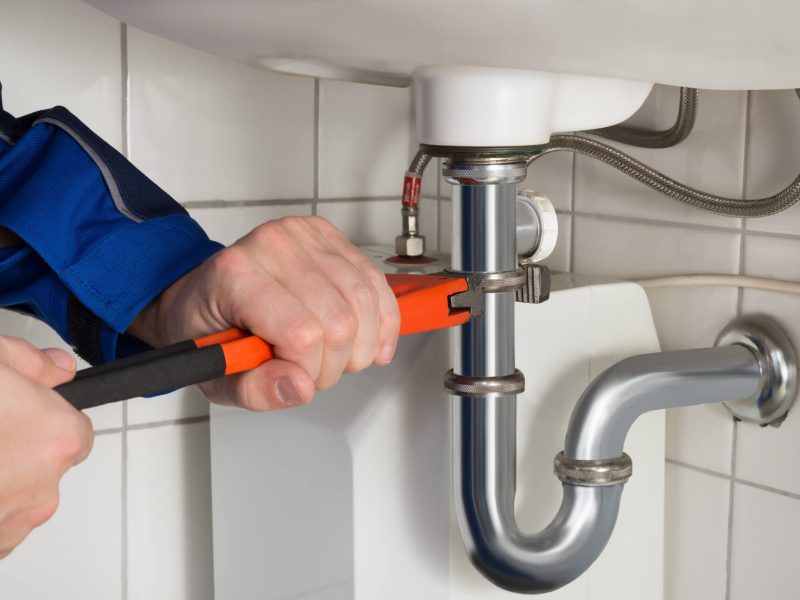
Sometimes you do need the pros. A qualified plumber brings experience (and the right license) to handle stubborn leaks properly. They’ll also ensure repairs meet local codes (important for insurance too). Remember, prompt action is the best defense: catch a leak early and you’ll save time, money, and headaches down the track.
Preventing Future Leaks
Once everything’s dry again, take steps to stay leak-free:
- Regular checks. Make it a habit to inspect taps, hoses, and visible pipes every season. Watch for wear or drips before they become floods.
- Don’t stress the pipes. Avoid planting big trees or heavy stuff over your buried water pipes and mains. Root pressure can crack pipes years later.
- Protect your gear. Replace old hoses (garden or pool) when they show cracks. Keep gutters clear so roof water doesn’t find its way into your plumbing system.
- Watch auto-fill systems. For pools, tanks or irrigation systems with float valves, double-check the timers and valves each month. A jammed valve can sneakily use a ton of water.
- Install leak alarms. Consider smart leak detectors or a shut-off valve for added peace-of-mind. They can alert you (via phone or alarm) the moment water flows when it shouldn’t.
A little effort now means no emergencies later. And trust me, catching a potential leak before it starts saves you way more stress (and cost) than scrambling to mop up an indoor waterfall.
Fixing leaks might not be glamorous, but it’s incredibly satisfying (and eco-friendly!). By keeping an eye out, acting fast, and using the tips above, you’ll keep your Gold Coast home dry and your water bills happy. So next time you spot a telltale drip or damp patch – roll up your sleeves (or call a mate with a wrench) and fix it fast. Your home and wallet will thank you!
FAQs
What causes most water leaks in Gold Coast homes?
Most leaks in Gold Coast homes come from old or worn plumbing fixtures, cracked outdoor pipes (especially in older properties), leaking toilets, and failing seals in taps and showers. Corrosion due to humidity and salt air also speeds up pipe wear near the coast. Outdoor irrigation systems and poorly maintained hot water systems are other common culprits.
Can a water leak increase my water bill?
Absolutely. Even a slow drip can waste thousands of litres a year, driving your water bill up fast. The City of Gold Coast states that undetected leaks are a major cause of high water bills. Regular checks and quick water leak repair prevent costly surprises on your next bill.
How much does water leak repair cost on the Gold Coast?
It depends on the leak type and location. A basic tap washer replacement may cost under $100, but professional water leak repairs for hidden pipes or slab leaks can range from $200 to $1,000 or more. Severe leaks affecting walls or ceilings could cost more due to damage repairs. Always request a quote from a licensed Gold Coast plumber for accurate pricing.
Is there a government rebate for fixing water leaks in Queensland?
Yes. Some Queensland councils, including the City of Gold Coast, offer water leak rebates or bill adjustments if you repair a verified leak promptly. You’ll need to provide a plumber’s invoice and complete the rebate form. Check the latest rebate eligibility on the City of Gold Coast website.